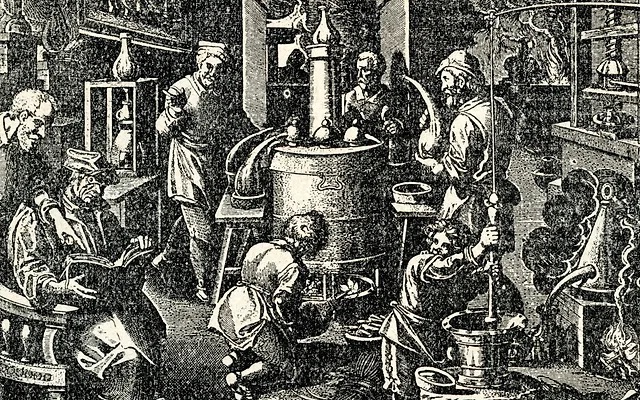
Spagyric is often considered to be superior to regular tinctures due to its unique and holistic approach to herbal medicine. Derived from the ancient Greek word “spao” (to separate) and “agyris” (to join together), spagyric refers to a specific alchemical process that involves the separation, purification, and recombination of plant constituents. This process aims to extract the vital essence of the plant and enhance its therapeutic properties, resulting in a more potent and effective remedy.
One of the key differences between spagyric and regular tinctures lies in the extraction method. While regular tinctures typically involve soaking herbs in alcohol to extract their active compounds, spagyric takes this process a step further by incorporating additional alchemical techniques. These techniques, such as fermentation, maceration, distillation, and calcination, help to concentrate and purify the plant’s essential components, including alkaloids, flavonoids, terpenes, and other phytochemicals.
The alchemical process used in spagyric not only enhances the potency of the herbal remedy but also ensures the extraction of a broader spectrum of medicinal compounds. This comprehensive extraction is believed to capture the plant’s holistic healing qualities, including its physical, energetic, and spiritual properties. As a result, spagyric preparations are considered to be more energetically balanced and synergistic, providing a deeper level of healing and harmonization with the body.
Another advantage of spagyric over regular tinctures is its focus on the concept of “reintegration.” In alchemy, reintegration refers to the process of combining the purified plant constituents back together after their separation. This step is believed to restore the plant’s vital energy and create a more holistic and balanced remedy. By reintegrating the purified components, spagyric remedies are thought to embody the wholeness and synergy of the original plant, resulting in a more potent and harmonious healing effect.
Spagyric preparations are often made from organically grown or wildcrafted herbs, ensuring the highest quality and purity of the plant material. The alchemical process used in spagyric also helps to remove any impurities or toxins present in the plant, resulting in a cleaner and safer remedy. This purity and integrity of spagyric remedies contribute to their effectiveness and safety in supporting the body’s natural healing processes.
In addition to its therapeutic benefits, spagyric is also valued for its spiritual and energetic aspects. The alchemical process of spagyric is seen as a metaphorical journey of transformation and evolution, reflecting the principles of alchemy itself. This spiritual dimension adds depth and intention to the preparation and use of spagyric remedies, making them more than just physical medicines but also tools for personal growth and spiritual connection.
It is important to note that while spagyric offers several advantages over regular tinctures, it may not always be necessary or appropriate for every situation or individual. Regular tinctures can still be effective and suitable for many applications, especially when using high-quality herbs and proper extraction techniques. The choice between spagyric and regular tinctures ultimately depends on personal preference, specific health concerns, and the desired therapeutic outcome.
Spagyric represents a unique and holistic approach to herbal medicine, surpassing regular tinctures in terms of potency, spectrum of medicinal compounds, energetic balance, purity, and spiritual significance. The alchemical process used in spagyric not only enhances the therapeutic properties of the plant but also adds depth and intention to the preparation and use of the remedy. While regular tinctures can still be effective, spagyric offers a more comprehensive and synergistic healing experience, making it a preferred choice for those seeking a deeper level of wellness and connection with nature’s medicinal gifts.


Leave a Reply