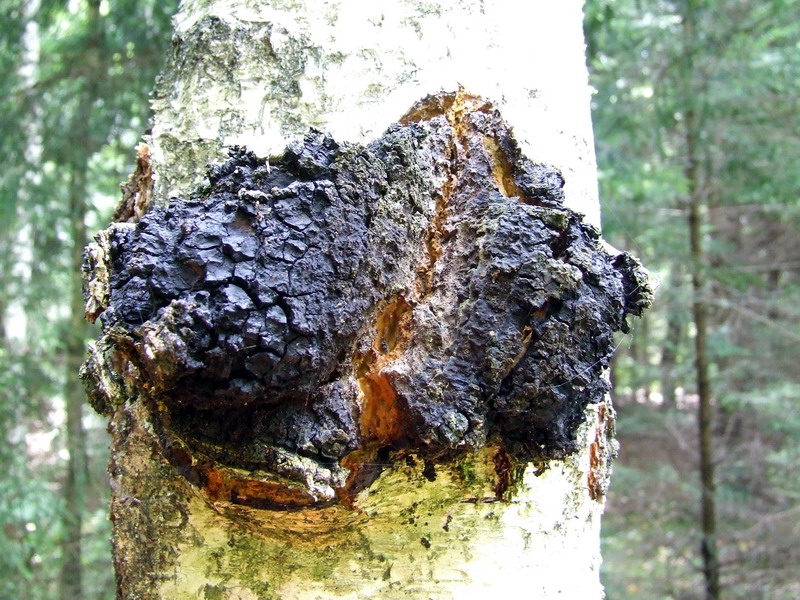
Chaga, also known as Inonotus obliquus, is a type of mushroom that grows on birch trees in cold regions. It has been used for centuries in traditional medicine, particularly in Russia and Siberia. While the effects of Chaga on various aspects of health are still being studied, there is growing evidence to suggest that it may have positive effects on oral health.
One of the key properties of Chaga is its high antioxidant content. Antioxidants are substances that help protect the body against oxidative stress and damage caused by free radicals. In the context of oral health, oxidative stress can contribute to gum disease, tooth decay, and other oral health issues. By consuming Chaga, individuals may benefit from its antioxidant properties, which could help reduce inflammation and improve overall oral health.
Another potential benefit of Chaga for oral health is its immune-boosting properties. The immune system plays a crucial role in maintaining oral health by fighting off harmful bacteria and preventing infections. Chaga contains various bioactive compounds, such as polysaccharides and beta-glucans, which have been shown to enhance immune function. By strengthening the immune system, Chaga may help protect against oral infections and promote a healthier oral environment.
Chaga has been found to possess anti-inflammatory properties. Chronic inflammation in the mouth can lead to gum disease, tooth loss, and other oral health problems. Studies have shown that Chaga extract can inhibit the production of inflammatory molecules and reduce inflammation in oral tissues. By reducing inflammation, Chaga may contribute to the prevention and management of oral health conditions.
In addition to its antioxidant, immune-boosting, and anti-inflammatory properties, Chaga may also have antimicrobial effects. Oral health issues often stem from the overgrowth of harmful bacteria in the mouth. Chaga has been found to exhibit antimicrobial activity against various bacteria and fungi, including those commonly associated with oral infections. By inhibiting the growth of these microorganisms, Chaga may help maintain a healthier balance of oral flora and prevent the development of oral health problems.
While the research on Chaga’s effects on oral health is still in its early stages, the existing evidence suggests that it may have beneficial effects. However, it is important to note that Chaga should not be considered a substitute for proper oral hygiene practices, such as regular brushing, flossing, and dental check-ups. These habits remain essential for maintaining good oral health.
Chaga shows promise as a natural remedy for improving oral health. Its antioxidant, immune-boosting, anti-inflammatory, and antimicrobial properties may contribute to the prevention and management of various oral health conditions. However, further research is needed to fully understand the mechanisms and potential benefits of Chaga for oral health.
Stay tuned, when more research comes out I will post additional information
 The Country Sunshine/White Walker Mushrooms
Leave a comment