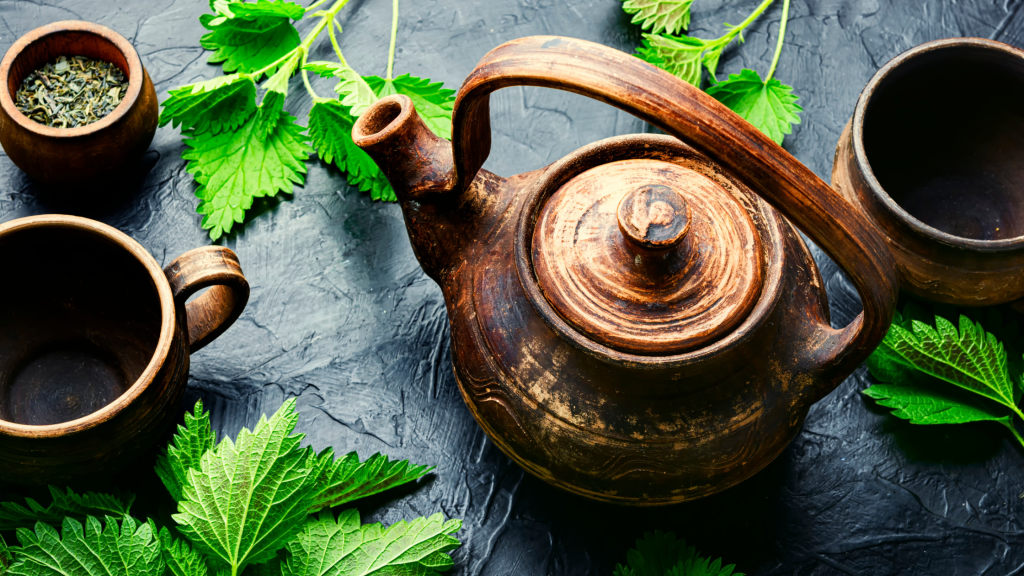
When you think of nettles, the first thing that comes to mind might be the irritating stings they can inflict upon unsuspecting hands and legs during a walk in the woods. However, nettles are much more than just an annoyance; they are a versatile and nutritious plant with a long history of medicinal and culinary uses. In this blog post, we will explore the many benefits of nettles, from their nutritional value to their potential health benefits and various uses.
Nutritional Powerhouse
Nettles, scientifically known as Urtica dioica, are packed with essential nutrients that can have a positive impact on your health. These plants are rich in vitamins, minerals, and antioxidants, making them a valuable addition to your diet.
- Vitamins: Nettles are a good source of vitamins A, C, and K. Vitamin A is essential for healthy vision, skin, and immune function, while vitamin C is a powerful antioxidant that supports the immune system. Vitamin K plays a crucial role in blood clotting and bone health.
- Minerals: Nettles are also a notable source of essential minerals like calcium, magnesium, iron, and potassium. Calcium and magnesium are essential for strong bones and muscles, while iron is crucial for the production of red blood cells. Potassium helps regulate blood pressure and supports heart health.
- Antioxidants: Nettles contain various antioxidants, such as quercetin, kaempferol, and rutin. These compounds help protect your cells from oxidative stress, reducing the risk of chronic diseases and inflammation.
Health Benefits
The nutritional profile of nettles gives rise to several potential health benefits:
- Allergy Relief: Nettles have long been used as a natural remedy for seasonal allergies. The plant contains compounds that can help reduce inflammation and block histamine release, providing relief from sneezing, runny nose, and itchy eyes.
- Joint Health: Nettles may alleviate symptoms of arthritis and joint pain. The anti-inflammatory properties of nettles can help reduce pain and improve joint mobility in some individuals.
- Digestive Health: Nettles have been used traditionally to soothe digestive issues like indigestion and constipation. They may help by promoting healthy digestion and reducing inflammation in the gut.
- Blood Sugar Control: Some studies suggest that nettles can help regulate blood sugar levels, making them a potentially useful addition to the diets of individuals with diabetes.
- Hair and Skin: Nettles are often used in natural hair and skincare products due to their potential benefits for hair growth and skin health. They can strengthen hair, reduce dandruff, and promote a healthy scalp. When applied topically, nettles may help soothe skin irritations and reduce inflammation.
- Detoxification: Nettles are known for their diuretic properties, which can aid in flushing out toxins from the body. This may contribute to kidney and urinary tract health.
How to Incorporate Nettles into Your Diet
While you might not want to pluck nettles from the wild due to their stinging hairs, you can safely enjoy their benefits by consuming them in various forms:
- Nettle Tea: Nettle tea is a popular and easy way to incorporate nettles into your daily routine. Simply steep dried nettles in hot water for a nourishing and calming beverage.
- Cooked Nettles: Cooking nettles neutralizes their stinging hairs. You can use them in soups, stews, and pasta dishes, similar to how you would use spinach or other leafy greens.
- Nettle Pesto: Create a unique and flavorful pesto by substituting some or all of the basil with blanched nettles. The result is a vibrant green sauce that adds a nutritious twist to your pasta or sandwiches.
- Nettle Supplements: Nettle supplements, available in various forms like capsules and tinctures, offer a convenient way to reap the benefits of nettles if you don’t have access to fresh or dried leaves.
Precautions and Considerations
While nettles are generally safe for most people, there are some precautions to keep in mind:
- Allergies: If you are allergic to plants in the Urticaceae family or have a history of allergies, consult with a healthcare professional before consuming nettles.
- Medication Interactions: Nettles may interact with certain medications, such as blood thinners or medications for high blood pressure. If you are taking medication, discuss the use of nettles with your healthcare provider.
- Pregnancy and Nursing: Pregnant and nursing individuals should exercise caution when using nettles. It’s advisable to consult a healthcare professional before incorporating them into your diet.
- Kidney Disorders: Due to their diuretic effect, nettles may not be suitable for individuals with kidney disorders. Always seek medical advice if you have concerns about how nettles may affect your health.
Conclusion
Nettles are a versatile and nutritious plant that offers a wide range of potential health benefits. Whether you enjoy them as a soothing tea, a flavorful addition to your meals, or in topical applications, nettles have much to offer in terms of overall well-being. However, it’s essential to be aware of any potential interactions or allergies and consult with a healthcare professional if you have specific health concerns. So, the next time you encounter nettles, don’t dismiss them as mere weeds; they might just be your ticket to a healthier, more vibrant life.
 The Country Sunshine/White Walker Mushrooms
Leave a comment