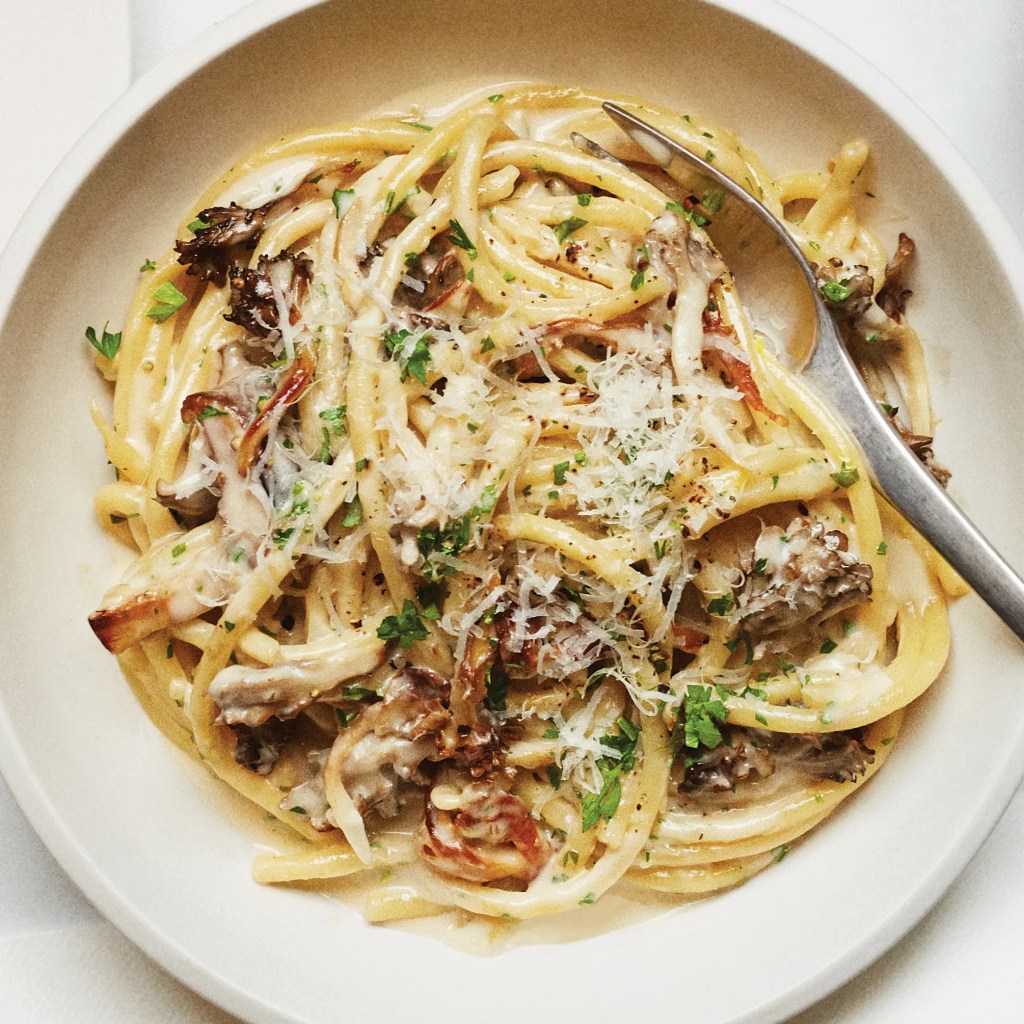
We are growing out Blue Oyster mushrooms in our Library/Classroom. Stop by to see the progress. We also included a delicious recipe.
Oyster mushrooms, scientifically known as Pleurotus ostreatus, are a type of edible fungi that offer numerous benefits. These mushrooms have been cultivated and consumed for centuries, and their popularity continues to grow due to the various advantages they provide. Here are some key benefits of oyster mushrooms:
1. Nutritional Value: Oyster mushrooms are low in calories and fat, making them a healthy addition to your diet. They are a rich source of essential nutrients like protein, fiber, vitamins (B complex, vitamin D), and minerals (iron, potassium, phosphorus). Incorporating oyster mushrooms into your meals can help boost your overall nutrition.
2. Immune System Support: Oyster mushrooms contain compounds called beta-glucans, which have immune-enhancing properties. These compounds stimulate the immune system, helping to strengthen its response against infections and diseases. Regular consumption of oyster mushrooms may help improve immune function and overall well-being.
3. Antioxidant Activity: Oyster mushrooms are known for their antioxidant properties. Antioxidants help protect the body against harmful free radicals, which can damage cells and lead to various health problems. The antioxidants present in oyster mushrooms help neutralize these free radicals, reducing the risk of chronic diseases such as heart disease and certain types of cancer.
4. Digestive Health: The high fiber content in oyster mushrooms promotes healthy digestion. Fiber adds bulk to the stool, preventing constipation and promoting regular bowel movements. It also aids in maintaining a healthy gut microbiota, which is crucial for overall digestive health.
5. Cholesterol Regulation: Oyster mushrooms contain compounds called statins, which have cholesterol-lowering effects. Regular consumption of oyster mushrooms may help reduce LDL (bad) cholesterol levels and improve overall cardiovascular health.
6. Culinary Versatility: Oyster mushrooms have a delicate flavor and a tender texture, making them a versatile ingredient in various culinary preparations. They can be sautéed, stir-fried, grilled, or used in soups, stews, pasta dishes, and more. Their mild taste allows them to absorb the flavors of other ingredients, making them a popular choice among chefs and home cooks alike.
7. Sustainable Cultivation: Oyster mushrooms are known for their fast growth and high yield, making them an environmentally friendly choice for cultivation. They can be grown on a variety of substrates, including agricultural waste products, such as straw and sawdust, reducing the need for land and resources. Additionally, oyster mushrooms are efficient in converting organic waste into nutritious food, contributing to waste reduction and sustainable agriculture.
In conclusion, oyster mushrooms offer a range of benefits, from their nutritional value and immune-boosting properties to their culinary versatility and sustainable cultivation. Adding these flavorful mushrooms to your diet can be a great way to enhance your overall health and well-being.
RECIPE:
4 servings
4 Tbsp. extra-virgin olive oil
1 lb. mixed mushrooms (such as maitake, oyster, crimini, and/or shiitake), torn into bite-size pieces
Kosher salt
2 medium shallots, finely chopped
1 lb. spaghetti or bucatini
½ cup heavy cream
⅓ cup finely chopped parsley
Zest and juice of ½ lemon
2 Tbsp. unsalted butter, cut into pieces
½ oz. Parmesan, finely grated (about ½ cup), plus more for serving
Freshly ground black pepper
Preparation
- Step 1
- Heat 2 Tbsp. oil in a Dutch oven or other large pot over medium-high. Cook half of mushrooms in a single layer, undisturbed, until edges are brown and starting to crisp, about 3 minutes. Give mushrooms a toss and continue to cook, tossing occasionally, until all sides are brown and crisp, about 5 minutes more. Using a slotted spoon, transfer mushrooms to a plate; season with salt. Repeat with remaining 2 Tbsp. oil and mushrooms and more salt.
- Step 2 Reduce heat to medium-low and return all of the mushrooms to the pot. Add shallots and cook, stirring often, until shallots are translucent and softened, about 2 minutes.
- Step 3 Meanwhile, cook pasta in a large pot of boiling salted water, stirring occasionally, until very al dente, about 2 minutes less than package directions.
- Step 4 Using tongs, transfer pasta to pot with mushrooms and add cream and 1 cup pasta cooking liquid. Increase heat to medium, bring to a simmer, and cook, tossing constantly, until pasta is al dente and liquid is slightly thickened, about 3 minutes.
- Step 5 Remove pot from heat. Add lemon zest and juice, parsley, butter, ½ oz. Parmesan, and lots of pepper and toss to combine. Taste and season with more salt if needed.
- Step 6 Divide pasta among bowls and top with more Parmesan.
 The Country Sunshine/White Walker Mushrooms
Leave a comment