The Remarkable Benefits of Staghorn Sumac: Nature’s Hidden Treasure
Introduction
Nature has always provided us with an abundance of treasures, often hidden in plain sight. One such treasure is the Staghorn Sumac (Rhus typhina), an often-overlooked plant that boasts a myriad of benefits, from its culinary uses to its medicinal properties and its ecological significance. In this blog post, we will explore the remarkable benefits of Staghorn Sumac and shed light on why this versatile plant deserves a place of honor in our lives.
1. Culinary Delights
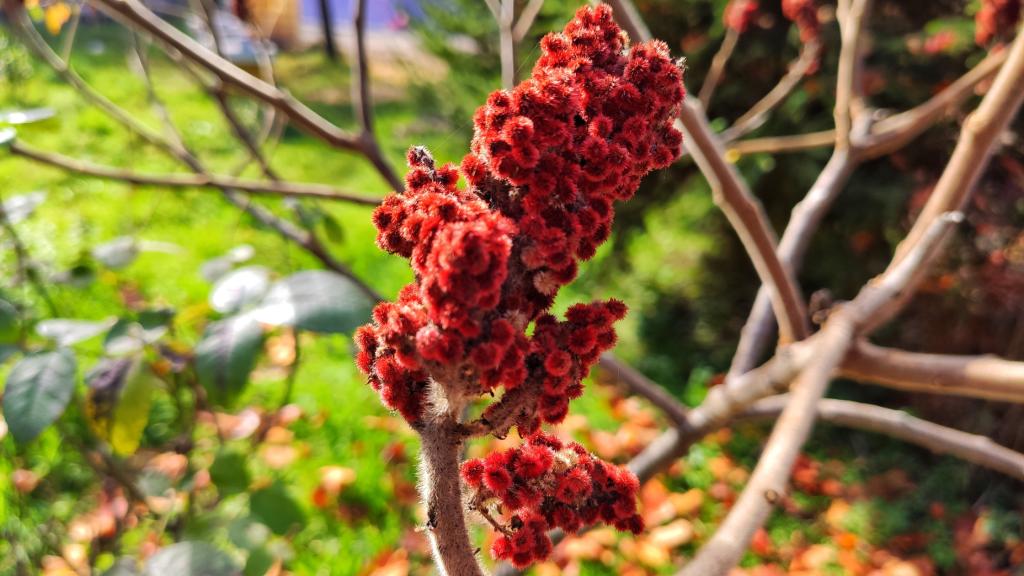
Staghorn Sumac may not be as popular as some other culinary herbs and spices, but it has been used for centuries to add flavor and zest to various dishes. The berries of the Staghorn Sumac, known for their crimson hue, are rich in tartness, making them a unique and delightful addition to your culinary repertoire. Here are a few ways you can harness the culinary benefits of Staghorn Sumac:
A. Sumac Lemonade: One of the most popular uses of Staghorn Sumac is to make a refreshing sumac lemonade. Simply soak the berries in cold water, strain, and sweeten to taste. The result is a tangy, citrusy beverage that’s perfect for quenching your thirst on a hot summer day.
B. Seasoning: Ground sumac berries can be used as a seasoning in various dishes. Sprinkle it on grilled meats, salads, or roasted vegetables to impart a unique tartness and a subtle lemony flavor. It’s a versatile spice that can elevate the taste of your meals.
C. Spice Blends: Sumac can also be used as an essential ingredient in spice blends like za’atar, a Middle Eastern seasoning that combines sumac with sesame seeds, thyme, and other herbs. This blend adds depth and complexity to a wide range of dishes.
2. Medicinal Marvel
Beyond its culinary uses, Staghorn Sumac has a history of medicinal applications in traditional herbal medicine. Here are some of its medicinal benefits:
A. Anti-Inflammatory Properties: Staghorn Sumac is rich in antioxidants, particularly flavonoids like quercetin and kaempferol, which possess potent anti-inflammatory properties. These compounds may help reduce inflammation in the body and alleviate symptoms of conditions like arthritis.
B. Immune System Support: The high vitamin C content in sumac berries can boost your immune system. Vitamin C is essential for maintaining a healthy immune response, and incorporating sumac into your diet can help fend off common illnesses.
C. Digestive Aid: Sumac has been traditionally used to ease digestive discomfort. Its tannin content can help soothe an upset stomach, reduce diarrhea, and improve overall gut health.
3. Eco-Friendly and Sustainable
Staghorn Sumac is not just beneficial to humans; it also plays a crucial role in maintaining ecological balance. Here’s how:
A. Soil Stabilization: The deep and fibrous root system of Staghorn Sumac helps prevent soil erosion. This plant is often used in reforestation and ecological restoration projects to stabilize soil and protect against erosion in vulnerable areas.
B. Wildlife Habitat: Sumac provides shelter and food for various wildlife species. Its dense growth and berry production attract birds like songbirds and gamebirds, which rely on the plant for sustenance.
C. Nitrogen Fixation: Sumac belongs to the legume family, which has the unique ability to fix nitrogen in the soil. This means it can convert atmospheric nitrogen into a form that other plants can use for growth. This nitrogen-fixing capability enhances soil fertility and benefits neighboring vegetation.
4. Sustainable Landscaping
Staghorn Sumac also has a place in sustainable landscaping practices. Its adaptability to various soil types, drought tolerance, and low maintenance requirements make it an ideal choice for landscaping projects. Here’s how it can enhance your outdoor spaces:
A. Aesthetic Appeal: The vibrant red berries and unique foliage of Staghorn Sumac add a pop of color and visual interest to your landscape. It’s particularly attractive in the fall when its leaves turn brilliant shades of red, orange, and purple.
B. Erosion Control: As mentioned earlier, the robust root system of Staghorn Sumac helps stabilize soil, making it an excellent choice for erosion control on slopes or embankments.
C. Wildlife Attraction: By planting Staghorn Sumac in your garden, you can attract a variety of birds and insects, contributing to the overall biodiversity of your outdoor space.
Conclusion
Staghorn Sumac, often overlooked in the modern world, is a plant brimming with benefits. From its culinary delights to its medicinal potential and ecological significance, it is a versatile and sustainable addition to our lives. Whether you incorporate it into your cooking, use it as a natural remedy, or plant it in your garden, Staghorn Sumac has much to offer. Embracing this hidden treasure of nature can enhance your well-being and contribute to a healthier planet. So, the next time you encounter a Staghorn Sumac, remember the remarkable benefits it holds and make the most of this invaluable gift from nature.
 The Country Sunshine/White Walker Mushrooms
Leave a comment