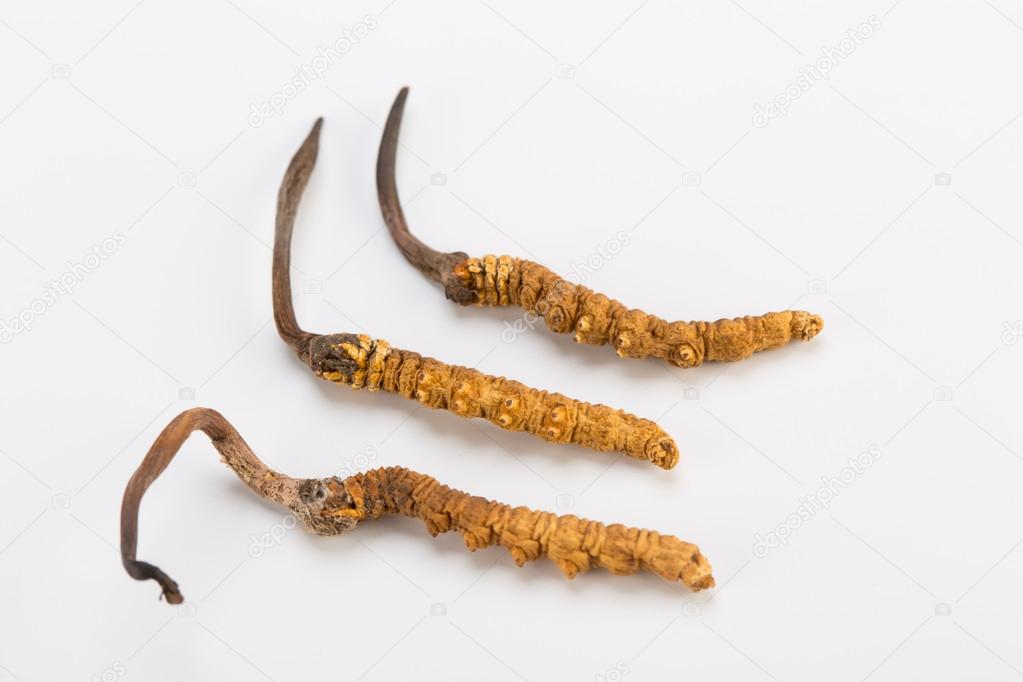
Nature is a realm of endless marvels, where beauty and mysteries intertwine. Among the many captivating creatures that inhabit our world, the Mushroom Artsa Gunbu stands as a true testament to nature’s artistic prowess. This unique and enchanting mushroom captivates the imagination with its vibrant colors, intricate patterns, and medicinal properties. We will delve into the fascinating world of the Mushroom Artsa Gunbu, exploring its origins, cultural significance, and the potential benefits it holds for humanity.
The Mushroom Artsa Gunbu, also known by its scientific name Cordyceps sinensis, is a parasitic fungus that grows in the high-altitude regions of the Himalayas and Tibetan Plateau. Its name, Artsa Gunbu, translates to “summer grass, winter worm” in Tibetan, indicating its life cycle. During the summer months, this mushroom infects the larvae of ghost moths, consuming them from within. As winter approaches, the mushroom emerges from the host’s body, taking the form of a slender stalk with a distinctive fruiting body on top.
One of the most captivating aspects of the Mushroom Artsa Gunbu is its appearance. The fruiting body of this mushroom resembles a caterpillar, with a slender, elongated shape and a reddish-brown hue. Delicate golden hairs cover its surface, giving it an ethereal and otherworldly quality. These unique characteristics have made the Mushroom Artsa Gunbu a subject of fascination for artists and scientists alike.
Throughout history, the Mushroom Artsa Gunbu has held great cultural and medicinal significance in Tibetan and traditional Chinese medicine. It has been used for centuries as a powerful adaptogen and immune system booster. In ancient times, it was believed to possess mystical properties, promoting longevity, vitality, and overall well-being. The Mushroom Artsa Gunbu was also considered a symbol of prosperity and good fortune, highly sought after by emperors and nobles.
In recent years, scientific research has shed light on the potential health benefits of the Mushroom Artsa Gunbu. It is rich in bioactive compounds such as cordycepin, polysaccharides, and antioxidants, which contribute to its therapeutic properties. Studies have shown that it may possess anti-inflammatory, anti-cancer, and anti-viral properties, making it a promising candidate for various medical applications. Furthermore, its adaptogenic properties have been linked to stress reduction, improved cognitive function, and enhanced athletic performance.
The cultivation and harvesting of the Mushroom Artsa Gunbu present unique challenges due to its specific habitat requirements and slow growth rate. However, efforts are being made to cultivate it in controlled environments, ensuring a sustainable supply while protecting its natural habitats. This cultivation not only provides opportunities for scientific research but also offers economic benefits to communities in the Himalayan region.
In conclusion, the Mushroom Artsa Gunbu stands as a testament to nature’s artistic brilliance and its potential to provide numerous benefits to humanity. Its captivating appearance, cultural significance, and medicinal properties make it a subject of fascination and research. As we continue to explore the wonders of the natural world, the Mushroom Artsa Gunbu serves as a constant reminder of the intricate and harmonious relationship between humans and nature, urging us to cherish and protect the diverse marvels that surround us.
 The Country Sunshine/White Walker Mushrooms
Leave a comment