Introduction:
Valerian Root boasts a rich and storied history as a holistic remedy that stretches back thousands of years. From the ancient Greeks and Romans who valued it for its calming properties to its prominent role in Traditional Chinese Medicine and Ayurveda, Valerian Root has long been regarded as a natural solution for soothing nerves and promoting restful sleep. During the medieval period in Europe, it was considered a prized herb for alleviating anxiety and stress, earning a reputation as a versatile “cure-all” in herbal medicine texts. Even Indigenous peoples in various regions recognized its therapeutic potential, incorporating Valerian Root into their traditional healing practices. This historical legacy has paved the way for Valerian Root’s continued popularity in modern holistic wellness, underscoring its enduring appeal as a natural and time-tested solution for promoting overall well-being.
In recent years, there has been a remarkable surge in interest in holistic wellness and natural remedies. This shift in perspective reflects a growing awareness of the importance of nurturing the body, mind, and spirit in harmony with nature. People are increasingly seeking alternatives to conventional medicine, driven by a desire for more personalized, holistic approaches to health. Holistic wellness emphasizes the interconnectedness of various aspects of well-being, encompassing physical, emotional, and spiritual health. Natural remedies, often derived from herbs, plants, and ancient healing traditions, have gained popularity for their gentler and more sustainable approach to addressing health concerns. As individuals become more informed about the potential benefits of holistic practices and natural remedies, they are embracing a proactive role in their well-being, seeking balance, and striving for vitality in a world that increasingly values the wisdom of nature.
What is Valerian Root?
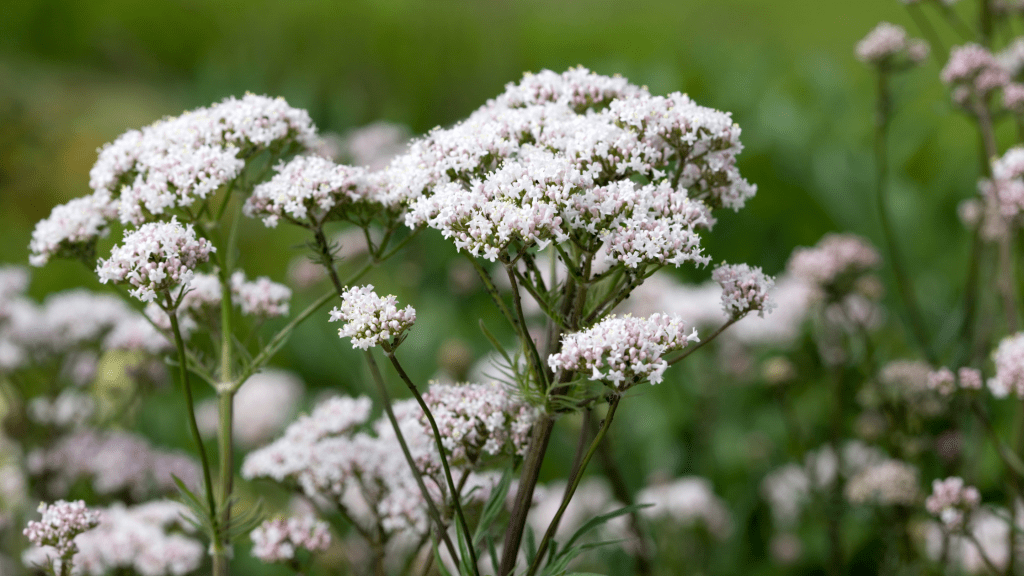
Valerian Root, scientifically known as Valeriana officinalis, is a remarkable perennial herb that has earned its place in the realm of natural remedies. This herb is distinguished by its lush, fern-like foliage and clusters of small, sweet-scented pink or white flowers. Valerian Root primarily thrives in temperate regions of Europe and Asia, where it prefers damp, rich soil and partial shade. It has also been cultivated in North America, particularly in regions with similar climatic conditions. However, Valerian Root’s true treasure lies beneath the soil, where its thick, gnarled rhizomes house the potent active compounds responsible for its holistic wellness benefits.
Active Compounds and Mechanisms of Action:
Valerian Root’s efficacy in promoting relaxation and reducing stress can be attributed to its diverse array of active compounds, with valerenic acid and isovaleric acid taking center stage. Valerenic acid, in particular, is believed to be the key player in Valerian Root’s soothing effects. It functions by enhancing the activity of gamma-aminobutyric acid (GABA), a neurotransmitter in the brain known for its calming influence. Valerenic acid effectively inhibits the breakdown of GABA, leading to increased GABA levels and a subsequent reduction in neuronal excitability. This process results in a tranquilizing effect, helping to ease anxiety, calm the mind, and induce a sense of relaxation. Isovaleric acid, another component found in Valerian Root, complements these effects by contributing to the herb’s characteristic odor and taste. Together, these compounds work synergistically to create a natural remedy that has been trusted for generations to alleviate stress and promote a restful night’s sleep.
Valerian Root’s active compounds, particularly valerenic acid, have been suggested to play a role in hormone regulation and easing symptoms associated with premenstrual syndrome (PMS), although more research is needed in this specific area. Here’s an explanation of how they may contribute to hormone regulation and symptom relief:
- Stress Reduction: Valerian Root is well-known for its ability to reduce stress and anxiety. Chronic stress can impact hormone levels, particularly cortisol, which may lead to hormonal imbalances. By promoting relaxation and reducing stress, Valerian Root indirectly supports hormone regulation.
- Improved Sleep: Valerian Root is often used as a natural sleep aid. Quality sleep is essential for hormonal balance, and disruptions in sleep patterns can exacerbate PMS symptoms. Valerian’s ability to improve sleep quality may help stabilize hormones.
- Muscle Relaxation: Valerian Root has muscle-relaxant properties. Muscle tension and cramps are common PMS symptoms. By relaxing muscles, Valerian Root may alleviate discomfort associated with PMS.
- Pain Management: Some studies suggest that Valerian Root may have analgesic (pain-relieving) effects. This could be beneficial for managing PMS-related pain, such as headaches and abdominal cramps.
- Mood Stabilization: Valerian Root’s calming effects may help stabilize mood swings and irritability often experienced during PMS. This could indirectly impact hormonal fluctuations linked to mood changes.
While these mechanisms offer potential benefits for PMS symptom relief and hormone regulation, it’s important to note that research in this specific area is ongoing, and individual responses to Valerian Root can vary. Women experiencing severe PMS symptoms should consult with a healthcare professional for a comprehensive and personalized approach to managing hormonal imbalances and PMS.
How to Use Valerian Root:
Incorporating Valerian Root into your wellness routine can be a wise choice for promoting relaxation and managing stress. There are several convenient ways to do so:
1. Herbal Teas: Valerian Root is available in the form of herbal teas. Simply steep a Valerian Root tea bag in hot water for about 10-15 minutes, and enjoy a soothing cup before bedtime. Be prepared for its distinct aroma, which can be quite earthy.
2. Capsules or Tablets: Valerian Root supplements are widely accessible in capsule or tablet form. Follow the dosage instructions on the product label, usually ranging from 300 to 900 milligrams about 30 minutes before bedtime or as needed for anxiety relief. Start with a lower dose and gradually increase if necessary.
3. Tinctures: Valerian Root tinctures offer a concentrated liquid form of the herb. Typically, you can mix 20-40 drops in water or juice, taken about 30 minutes before sleep. Always follow the recommended dosage on the product label.
Dosage Guidelines: Dosage may vary depending on the individual and the specific product. It’s essential to consult the product packaging or a healthcare professional for precise dosing instructions. Additionally, when using Valerian Root for anxiety or sleep, start with the lowest effective dose and increase gradually if needed.
Safety Considerations: Valerian Root is generally considered safe when used as directed. However, a few important safety points to keep in mind include:
- Consultation: Always consult a healthcare provider, especially if you are pregnant, nursing, taking other medications, or have a pre-existing medical condition.
- Duration: Avoid long-term, continuous use of Valerian Root without medical supervision. Short-term use for a few weeks is generally recommended.
- Driving and Machinery: Valerian Root may cause drowsiness, so refrain from driving or operating heavy machinery after taking it.
Incorporating Valerian Root into your wellness routine can be a valuable step toward managing stress and improving sleep quality. Nevertheless, it’s vital to approach its use with mindfulness, ensuring it aligns with your specific needs and health status.
 The Country Sunshine/White Walker Mushrooms
Leave a comment