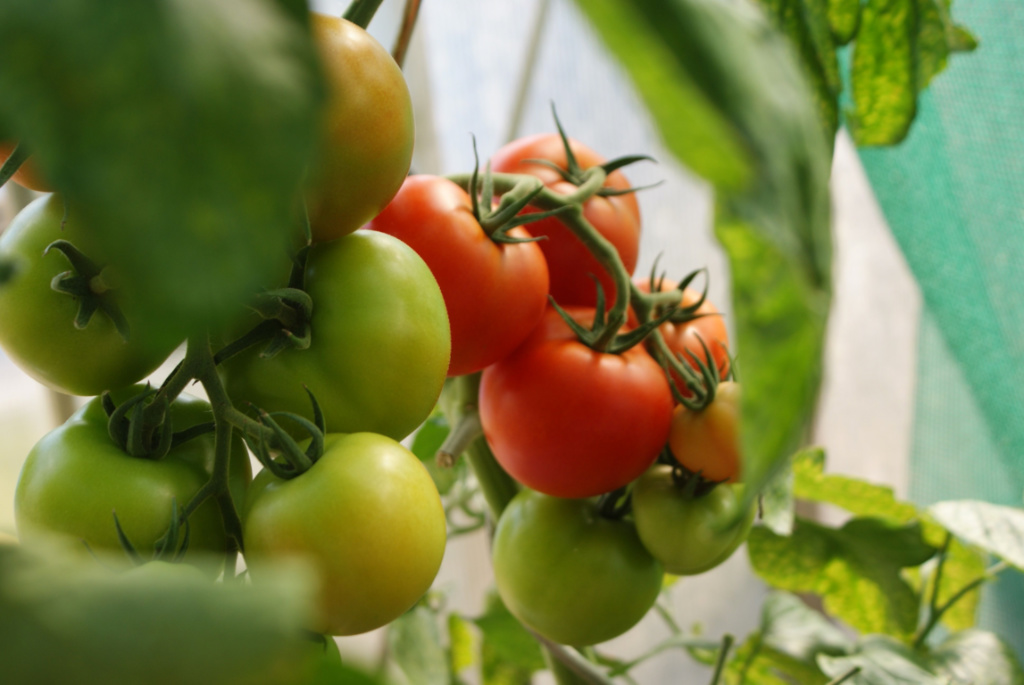
Hydroponic tomato growing is an increasingly popular method of growing tomatoes indoors without soil. Instead of growing in soil, hydroponic tomatoes are grown in a nutrient-rich solution that provides all the necessary nutrients for growth. This method of growing has several advantages over traditional soil-based growing, including faster growth, greater yields, and less chance of disease.
Hydroponic tomato growing is a great option for those who want to grow fresh, healthy tomatoes year-round, regardless of the climate. With hydroponics, you can control the temperature, humidity, and lighting conditions to create the perfect environment for your plants to thrive. You can also grow tomatoes in smaller spaces, such as apartments or balconies, without the need for a large garden.
While hydroponic tomato growing may seem intimidating at first, it is actually quite simple and requires minimal maintenance. With the right equipment and knowledge, anyone can grow delicious, fresh tomatoes indoors. In this article, we will explore the basics of hydroponic tomato growing, including the equipment you need, the best growing conditions, and the most common problems and how to solve them.
Advantages of Hydroponic Tomato Growing
Hydroponic tomato growing has numerous advantages over traditional soil-based growing methods. Below are some of the benefits of hydroponic tomato growing:
- Higher Yields: Hydroponic tomatoes can produce significantly higher yields compared to soil-based tomatoes. This is because hydroponic systems provide an optimal environment for plant growth, with the right amount of nutrients, light, and water.
- Faster Growth: Hydroponic tomatoes grow faster than soil-based tomatoes, due to the controlled environment and the ability to provide the plants with the exact nutrients they need to grow.
- Reduced Water Usage: Hydroponic systems use less water than soil-based systems, as the water is recirculated and reused, reducing waste and conserving water resources.
- No Soil Required: Hydroponic systems do not require soil, which means they can be grown in areas where soil quality is poor or unavailable.
- Reduced Pest and Disease Pressure: Hydroponic systems are less susceptible to pests and diseases, as the plants are grown in a controlled environment with fewer opportunities for pests and diseases to thrive.
- More Efficient Use of Space: Hydroponic systems can be designed to maximize the use of space, allowing for more plants to be grown in a smaller area compared to traditional soil-based growing methods.
Overall, hydroponic tomato growing offers numerous advantages over traditional soil-based growing methods, making it an attractive option for both commercial and home growers.
Choosing the Right Hydroponic System
When it comes to growing hydroponic tomatoes, choosing the right system is crucial for success. There are several types of hydroponic systems to choose from, each with its own advantages and disadvantages. Here are some of the most popular systems to consider:
Nutrient Film Technique
The Nutrient Film Technique (NFT) is a popular hydroponic system for growing tomatoes. In this system, a thin film of nutrient-rich water is circulated over the roots of the plants. The roots are exposed to the air, allowing for optimal oxygen uptake. This system is ideal for smaller plants, as larger plants may require more support.
Deep Water Culture
Deep Water Culture (DWC) is another popular hydroponic system for growing tomatoes. In this system, the plants are suspended in a nutrient-rich solution, with their roots submerged in the water. The plants receive oxygen through air stones or diffusers placed in the water. DWC is an excellent choice for larger plants, as it provides ample support and space for root growth.
Drip Irrigation
Drip irrigation is a simple and effective hydroponic system for growing tomatoes. In this system, a timer-controlled pump delivers nutrient-rich water to the base of each plant through a network of tubes and emitters. The water is then collected and recycled back into the system. Drip irrigation is ideal for larger plants, as it provides a steady supply of water and nutrients.
Aeroponics
Aeroponics is a high-tech hydroponic system that uses misters to deliver a nutrient-rich mist to the roots of the plants. The plants are suspended in the air, allowing for optimal oxygen uptake. This system is ideal for smaller plants, as larger plants may require more support.
When choosing a hydroponic system for growing tomatoes, consider the size of your plants, the space you have available, and your budget. Each system has its own advantages and disadvantages, so it’s important to choose the one that best meets your needs.
Selecting the Right Tomato Varieties
When it comes to hydroponic tomato growing, selecting the right variety is crucial to ensure a successful crop. Here are some factors to consider when choosing the best tomato variety for your hydroponic system:
- Disease Resistance: Look for tomato varieties that are resistant to common diseases such as Verticillium Wilt, Fusarium Wilt, and Root-Knot Nematodes. This will help prevent crop loss and ensure a healthy harvest.
- Indeterminate: Hydroponic tomato plants tend to grow larger than those grown in soil, so choose indeterminate varieties that will continue to grow and produce fruit throughout the growing season.
- Vining: Vining varieties are ideal for hydroponic systems as they can grow tall and produce a large yield without taking up too much space.
- Flavor: Different tomato varieties have distinct flavors, so choose one that suits your taste preferences. Some popular hydroponic tomato varieties include Sweet 100, Cherry, and Beefsteak.
Here are some of the best tomato varieties for hydroponic growing:
| Variety | Description |
| Sweet 100 | A cherry tomato that produces clusters of sweet, juicy fruit. Disease-resistant and easy to grow. |
| Cherry | A small, bite-sized tomato that is perfect for snacking. Comes in a variety of colors, including red, yellow, and orange. |
| Beefsteak | A large, meaty tomato that is great for slicing. Can weigh up to 2 pounds and has a sweet, juicy flavor. |
| Roma | A plum tomato that is ideal for sauces and canning. Disease-resistant and produces a large yield. |
Remember to choose a variety that is well-suited for your hydroponic system and growing conditions. With the right tomato variety, you can enjoy a bountiful harvest of fresh, flavorful tomatoes all year round.
Growing Mediums for Hydroponic Tomatoes
When it comes to growing hydroponic tomatoes, the choice of growing medium can have a significant impact on the plant’s growth and yield. Here are some of the popular growing mediums used in hydroponic tomato cultivation:
- Expanded clay pebbles: These are pH-neutral and inert, making them an excellent choice for hydroponic tomato growing. They are lightweight, which makes them easy to handle, but they don’t retain water, so it’s essential to ensure that the plants are regularly watered.
- Coco coir: This is made from coconut husks and is an excellent alternative to soil. It has excellent water retention and drainage properties, making it ideal for hydroponic tomato growing. It is also pH-neutral and provides good aeration to the roots.
- Rockwool: This is a popular growing medium for hydroponic tomato cultivation. It is made from molten rock spun into fibers and is pH-neutral. It provides excellent water retention and drainage properties and can be reused. However, it is not biodegradable and can be harmful to the environment if not disposed of correctly.
It’s important to note that the choice of growing medium will depend on several factors, including the availability of the medium, the cost, and the grower’s preference. It’s also essential to ensure that the growing medium is clean and free from contaminants that can harm the plants.
Regardless of the growing medium chosen, it’s essential to ensure that the plants receive the right amount of nutrients, water, and oxygen. This can be achieved by regularly monitoring the pH levels and the nutrient concentration in the water.
Overall, the choice of growing medium is an important consideration when growing hydroponic tomatoes. It’s essential to choose a medium that provides the right balance of water retention, aeration, and drainage to ensure healthy plant growth and high yields.
Nutrient Solution for Hydroponic Tomatoes
Hydroponic tomatoes require specific nutrient solutions to thrive. The most important nutrients for hydroponic tomatoes are nitrogen, phosphorus, and potassium. These nutrients can be provided through commercial hydroponic tomato nutrient solutions or by combining individual nutrient salts to create a custom nutrient solution. The nutrient solution should be mixed according to the manufacturer’s instructions or based on the specific nutrient requirements of the tomato variety being grown.
In addition to the big three nutrients, hydroponic tomatoes also require secondary nutrients and micronutrients, including magnesium, calcium, and sulfur. These nutrients can be provided through a complete soluble fertilizer or by adding individual nutrient salts to the nutrient solution.
It is important to monitor the nutrient solution regularly to ensure that the nutrient levels remain within the appropriate range. The water electrical conductivity (EC) and pH should be checked daily, and adjustments should be made as necessary. The ideal EC level for hydroponic tomato production is less than 0.5 millisiemens/centimeter (mS/cm), and the pH should be maintained between 5.5 and 6.5.
Growers should also be aware of the nutrient levels in their water source, particularly if using municipal water. Municipal water sources can contain high levels of sodium and chloride, which can negatively impact plant growth. Growers should aim for low levels of these elements in their nutrient solution.
Overall, providing the correct nutrient solution is crucial for successful hydroponic tomato production. By monitoring the nutrient levels and making adjustments as necessary, growers can ensure that their plants receive the necessary nutrients to produce healthy, high-yielding tomato crops.
Temperature and Humidity Considerations
When growing hydroponic tomatoes, it is important to maintain the right temperature and humidity levels. Here are some key considerations:
Temperature
The ideal temperature range for hydroponic tomatoes is between 60-75 degrees Fahrenheit. Temperatures outside this range can cause issues such as stunted growth or reduced yields. It is important to monitor the temperature regularly and adjust as necessary.
In addition, it is important to have good air circulation in your grow room. Stagnant air can lead to all kinds of issues, including mold and disease. Consider using fans or other ventilation systems to keep the air moving.
Humidity
Humidity is also an important factor to consider when growing hydroponic tomatoes. The ideal humidity range is between 40-70% relative humidity. If the humidity gets too high, plants may not be able to transpire properly, which can lead to issues such as fungal growth.
On the other hand, if the humidity is too low, plants may not be able to take up enough water, which can lead to stunted growth. It is important to monitor the humidity regularly and adjust as necessary.
Production guides for greenhouse tomatoes vary somewhat in their recommendations for optimal relative humidity (RH) levels; anywhere from 60 to 85%. Higher humidity levels can result in better fruit set, to a point, but high humidity also favors disease development. The optimum relative humidity for pollination is 70%.
Overall, maintaining the right temperature and humidity levels is crucial for successful hydroponic tomato growing. By monitoring these factors regularly and making adjustments as needed, you can ensure that your plants thrive and produce a bountiful harvest.
Lighting for Hydroponic Tomatoes
Lighting is one of the most important factors in hydroponic tomato growing. Since you will be growing indoors, you will need to provide artificial light to your plants. Tomatoes require at least 12-18 hours of light daily, and it is important to choose the right type of light for your plants.
When it comes to hydroponic tomato growing, there are different types of grow lights available. The most common types of grow lights used for hydroponic tomato growing are:
- Fluorescent lights: These are the most affordable grow lights and are suitable for growing small plants. They emit less heat and consume less energy compared to other types of grow lights.
- High-intensity discharge (HID) lights: These lights are more expensive than fluorescent lights but are more powerful and emit more heat. They are suitable for growing large plants and can be used for the entire growth cycle of your plants.
- LED lights: These lights are more expensive than fluorescent lights but are more energy-efficient and have a longer lifespan. They emit less heat and can be used for the entire growth cycle of your plants.
It is important to choose the right type of grow light for your hydroponic tomato growing needs. You should also consider the color spectrum of the light. Tomatoes require more blue light when they are young and growing leaves, and more red light once they blossom and start growing fruits. LED grow lights are easily adjustable and have separate blue and red lights that can be switched on and off or turned up and down.
When it comes to the duration of lighting, your plants should receive at least 12-18 hours of light daily. However, it is important not to leave the lights on 24/7 as this can cause your plants to become spindly and leggy. A timer can be used to ensure your plants receive the right amount of light each day.
Pest and Disease Management in Hydroponic Tomato Growing
One of the biggest advantages of hydroponic tomato growing is that it reduces the risk of pests and diseases. However, it does not eliminate them entirely. Here are some common pests and diseases that can affect hydroponic tomato plants and how to manage them:
Pests
Aphids: Aphids are small, soft-bodied insects that can suck the sap from tomato plants. They can be controlled by introducing beneficial predators like ladybugs or lacewings. Alternatively, you can use insecticidal soap or neem oil.
Fungus Gnats: Fungus gnats are small flies that lay their eggs in the soil. The larvae feed on the roots of tomato plants, causing stunted growth. You can control them by using yellow sticky traps or applying a biological control like Bacillus thuringiensis (Bt).
Spider Mites: Spider mites are tiny pests that suck the sap from tomato plants, causing yellowing and wilting. You can control them by introducing predatory mites or using insecticidal soap or neem oil.
Diseases
Pythium Root Rot: Pythium root rot is a soil-borne disease that can affect hydroponic tomato plants. It causes the roots to rot and can lead to wilting and death. You can prevent it by using a sterile growing medium and maintaining proper nutrient and pH levels.
Fusarium Wilt: Fusarium wilt is a fungal disease that can cause yellowing and wilting of tomato plants. It is spread through contaminated soil or water. You can prevent it by using a sterile growing medium and avoiding overwatering.
Verticillium Wilt: Verticillium wilt is another fungal disease that can affect tomato plants. It causes yellowing and wilting of the leaves and can lead to stunted growth. You can prevent it by using a sterile growing medium and avoiding over-fertilization.
By taking preventative measures and promptly addressing any pest or disease issues that arise, you can ensure a successful hydroponic tomato crop.
Harvesting and Storing Hydroponic Tomatoes
Harvesting hydroponic tomatoes is easy and straightforward. You should wait until the tomatoes are fully ripe before picking them. This is because ripe tomatoes have the best flavor and texture. You can tell when a tomato is ripe by its color. A ripe tomato will be bright red and have a slight give when you gently squeeze it.
When harvesting your hydroponic tomatoes, be sure to use a sharp pair of scissors or pruning shears. This will help prevent damage to the plant and ensure that the tomatoes are cleanly cut from the vine. You should also avoid pulling or twisting the tomatoes off the vine, as this can damage the plant and reduce the quality of the fruit.
Once you have harvested your hydroponic tomatoes, it’s important to store them properly to ensure that they stay fresh and flavorful. You can store your tomatoes at room temperature for a few days, but they will last longer if you refrigerate them. Be sure to store your tomatoes in a single layer, as stacking them can cause them to bruise and spoil more quickly.
If you have a large harvest of hydroponic tomatoes, you may want to consider canning or freezing them to preserve them for later use. Canned tomatoes can be used in a variety of recipes, while frozen tomatoes can be used for sauces and soups. To can or freeze your hydroponic tomatoes, simply follow the instructions for canning or freezing tomatoes that you would use for conventionally grown tomatoes.
Conclusion
Hydroponic tomato growing is a great way to produce high-quality tomatoes in a controlled environment. It allows growers to avoid many of the issues associated with traditional soil-based growing, such as pests, diseases, and soil-borne pathogens. Hydroponic tomatoes also tend to have higher yields and faster growth rates than their soil-grown counterparts.
One of the key benefits of hydroponic tomato growing is the ability to precisely control the nutrient levels in the growing solution. This allows growers to optimize the nutrient levels for their specific tomato varieties and growing conditions, resulting in healthier plants and better-tasting tomatoes.
While hydroponic tomato growing does require some initial investment in equipment and setup, it can be a cost-effective way to produce high-quality tomatoes year-round. With proper planning and management, hydroponic tomato growers can achieve excellent results and enjoy a steady supply of fresh, delicious tomatoes.
 The Country Sunshine/White Walker Mushrooms