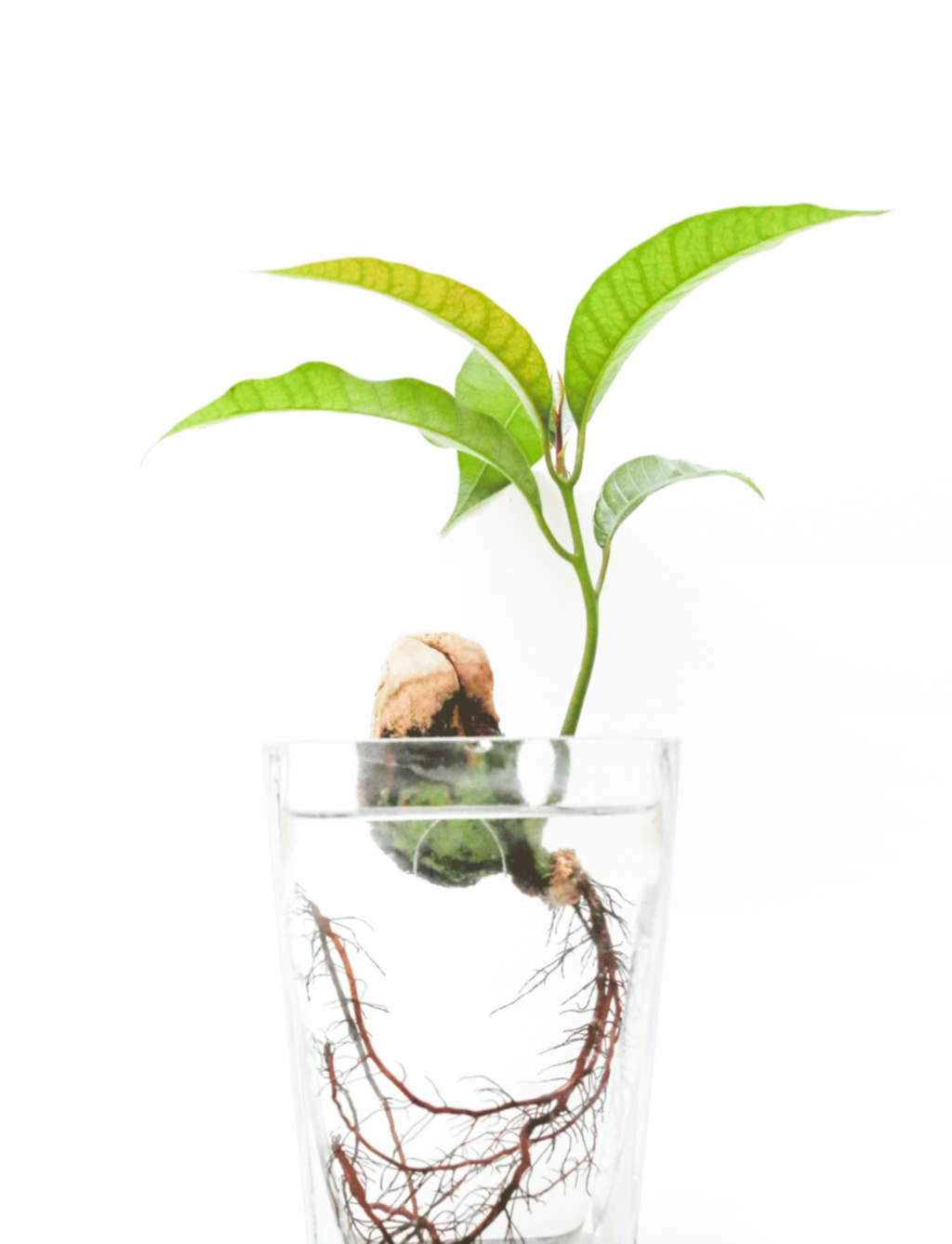
Hydroponics is a modern and efficient way of growing plants without soil. This technique has gained popularity among gardeners and farmers due to its many benefits, such as higher yields, faster growth, and better control over the plants’ environment. With hydroponics, you can grow plants all year round, regardless of the weather or season.
If you are interested in hydroponics, you may be wondering how to get started on a DIY hydroponic system. Fortunately, there are many DIY hydroponic plans available online that are easy to follow and affordable. You can choose from various types of hydroponic systems, such as the wick system, deep water culture, nutrient film technique, and drip system, depending on your needs and preferences.
Building your own hydroponic system can be a fun and rewarding experience, and it doesn’t require a lot of space or resources. In fact, you can create a hydroponic garden in your backyard, balcony, or even indoors, using simple materials like PVC pipes, buckets, net pots, and pumps. With a little bit of creativity and patience, you can grow your own fresh and healthy produce, while also learning about sustainable agriculture and reducing your carbon footprint.
What is Hydroponics?
Hydroponics is a method of growing plants without soil, using nutrient-rich water and a growing medium. The word hydroponics comes from the Greek words “hudor” for water and “ponos” for work, which literally means “water-working.” In hydroponics, the plant’s roots are suspended in a solution of water and nutrients, allowing them to absorb the necessary elements directly.
Unlike traditional soil-based gardening, hydroponics allows for precise control over the plant’s environment, including the amount of water and nutrients they receive, the pH level of the solution, and the amount of light they are exposed to. This level of control means that hydroponic plants can grow faster and yield more than their soil-based counterparts.
Hydroponics is becoming increasingly popular among gardeners and farmers, as it allows for year-round growing in any climate and can be done indoors or outdoors. Additionally, hydroponic systems require less water and space than traditional gardening methods, making them an attractive option for those with limited resources or space.
Advantages of a DIY Hydroponics System
Cost-Effective
One of the biggest advantages of a DIY hydroponics system is that it can be cost-effective. While pre-built hydroponic systems can be expensive, building your own can save you a lot of money. You can use inexpensive materials like PVC pipes, buckets, and plastic containers to build your hydroponic system. Additionally, you can choose to build a smaller system if you have limited space or a bigger one if you have more space. This makes it possible to customize your system to fit your budget.
Another way that a DIY hydroponics system can be cost-effective is by reducing water usage. Hydroponics systems use less water than traditional soil-based gardening. This is because the water is recirculated through the system, and the plants only take up what they need. This can save you money on your water bill in the long run.
Customizable
Another advantage of a DIY hydroponics system is that it can be customized to fit your needs. You can choose the size, shape, and type of system that works best for you. Additionally, you can choose the plants you want to grow and adjust the system to meet their specific needs.
A DIY hydroponics system can also be customized to fit your space. You can build a vertical system that takes up less floor space or a horizontal system that fits in a specific area. This makes it possible to grow plants in small spaces like balconies, patios, or even indoors.
Finally, a DIY hydroponics system can be customized to fit your style. You can choose the materials and colors that match your decor or personal taste. This makes it possible to create a beautiful and functional garden that is unique to you.
Components of a Hydroponics System
Growing Tray
The growing tray is where the plants are placed and grown. It should be made of a durable material that can withstand exposure to water and nutrient solutions. Common materials used for growing trays include plastic, PVC, or metal. The size of the growing tray will depend on the number of plants you want to grow and the available space.
Reservoir
The reservoir is where the nutrient solution is stored. It should be made of a material that is resistant to corrosion and can hold a large volume of water. Common materials used for reservoirs include plastic, PVC, or fiberglass. The size of the reservoir will depend on the number of plants you want to grow and the frequency of nutrient solution changes.
Pump and Tubing
The pump and tubing are used to circulate the nutrient solution from the reservoir to the growing tray. The pump should be powerful enough to move the nutrient solution through the tubing and into the growing tray. The tubing should be made of a material that is resistant to corrosion and can withstand exposure to nutrient solutions. Common materials used for tubing include PVC or silicone.
Growing Medium
The growing medium is used to support the plants and provide a surface for the roots to grow. It should be porous, lightweight, and able to retain moisture. Common materials used for growing mediums include coconut coir, perlite, and vermiculite.
Nutrient Solution
The nutrient solution is a mixture of water and essential nutrients that the plants need to grow. It should be pH balanced and contain the necessary nutrients for the specific plants you are growing. Common nutrient solutions include pre-mixed solutions or homemade solutions made from individual nutrient components.
Overall, the components of a hydroponics system work together to create a controlled environment that promotes plant growth. By understanding the purpose and function of each component, you can build a DIY hydroponics system that is tailored to your specific needs and preferences.
Step-by-Step Guide to Building a DIY Hydroponics System
Choosing a Design
Before you start building your hydroponics system, you need to choose a design that suits your needs. There are several types of hydroponics systems, such as Deep Water Culture, Nutrient Film Technique, and Ebb and Flow. Each of these systems has its own advantages and disadvantages, so it’s important to research and choose the one that’s best for you.
Gathering Materials
Once you’ve chosen a design, it’s time to gather the necessary materials. You’ll need a container to hold the nutrient solution, a pump to circulate the solution, grow trays, grow media, net cups, and PVC pipes or tubing. You may also need tools such as a drill, saw, and measuring tape.
Building the System
Now that you have all the materials, it’s time to start building your hydroponics system. Begin by assembling the frame of the system using PVC pipes or tubing. Next, install the pump and connect it to the tubing or pipes. Then, place the grow trays on top of the frame and fill them with grow media. Finally, add the net cups and plants to the grow media.
Adding Nutrients
Once your hydroponics system is up and running, it’s important to add the right nutrients to the nutrient solution. Nutrient solutions typically contain a mix of nitrogen, phosphorus, and potassium, as well as other micronutrients. It’s important to follow the instructions carefully and not overfeed your plants, as this can lead to nutrient burn.
Adding Plants
After adding the nutrients, it’s time to add the plants to your hydroponics system. Make sure to choose plants that are suitable for hydroponic growing, such as lettuce, herbs, and strawberries. Place the plants in the net cups and insert them into the grow media. Monitor the plants regularly and adjust the nutrient solution as needed to ensure optimal growth. Building your own hydroponics system can be a fun and rewarding project. By following these simple steps, you can create a thriving hydroponic garden right in your own home.
Maintenance and Troubleshooting
Regular Maintenance
Hydroponic systems require regular maintenance to ensure they function properly and produce healthy plants. Here are some tips for regular maintenance:
- Check the pH level of the nutrient solution daily and adjust as needed.
- Monitor the water level in the reservoir and add more nutrient solution as needed.
- Clean the reservoir and pumps every 2-3 weeks to prevent algae and bacteria growth.
- Inspect the plants regularly for signs of pests or disease and take appropriate action.
Common Issues and Solutions
Despite regular maintenance, hydroponic systems may encounter issues. Here are some common problems and solutions:
| Issue | Solution |
| Algae growth in the nutrient solution | Reduce light exposure to the reservoir, clean the reservoir and pumps, and use an algaecide if necessary. |
| Root rot | Ensure proper oxygenation of the nutrient solution, adjust pH level, and use a hydrogen peroxide solution to kill bacteria. |
| Nutrient deficiency | Adjust the nutrient solution to ensure proper levels of nitrogen, phosphorus, and potassium. Consider adding a micronutrient supplement if necessary. |
| Water leaks | Inspect the tubing and connections for damage or blockages. Replace any damaged components. |
By following these maintenance tips and addressing common issues promptly, you can keep your hydroponic system running smoothly and producing healthy plants.
 The Country Sunshine/White Walker Mushrooms